Industry
Corporate
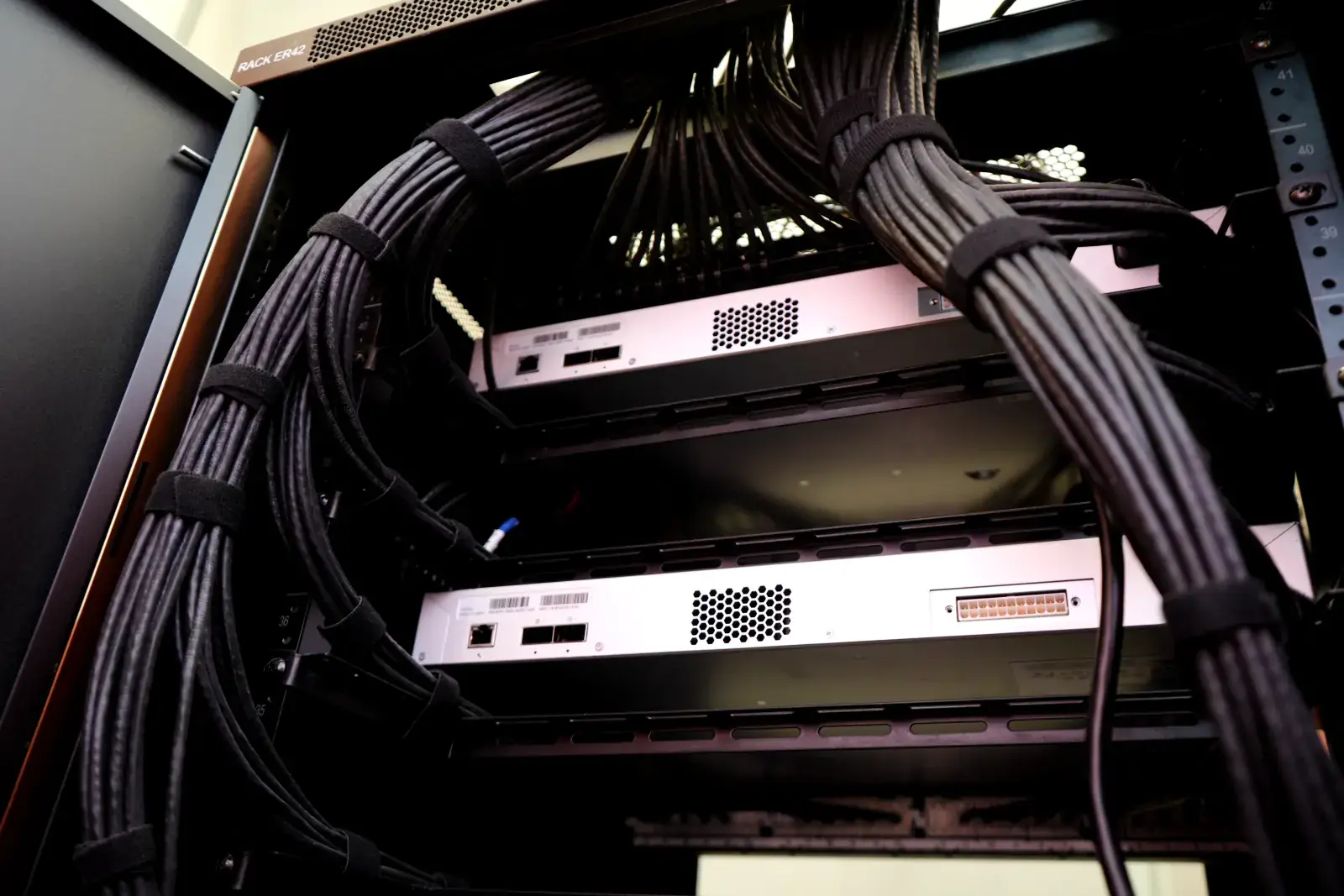
Hybrid Azure environments, virtual desktops and site-to-site networking across multiple offices.
Talk to us about your corporate projectAzure, AWS and Google Cloud infrastructure, virtualization, backup and disaster recovery, migration and secure connectivity, designed and monitored by DIST nationwide.







Which servers and applications you rely on, where they live today, how many people use them and how long you could be down are enough to start. We come back with an assessment and a cost model.

“We solve AV and IT challenges with passion, speed & integrity. Happy to sit on a call to discuss your AV and IT needs.”
Infrastructure, backup, migration and connectivity designed together, so the platform is secure, recoverable and priced for what you actually use.
Public, private and hybrid deployments designed for your workloads, with identity, networking and cost controls set up before the first server is built.
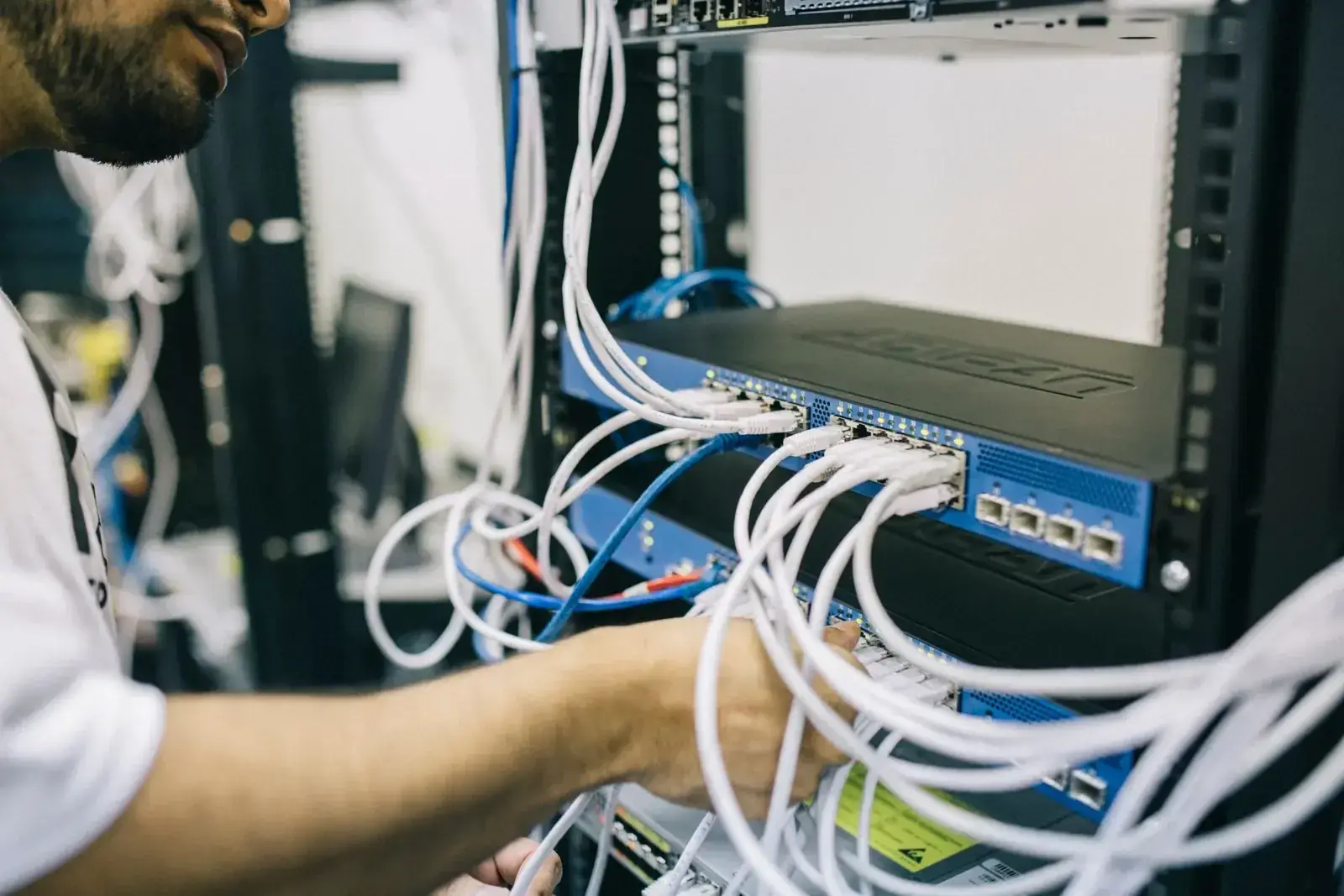
Automated backups of servers, Microsoft 365 and files, with replication and tested failover so an outage, ransomware event or fire does not stop the business.
Microsoft 365 or Google Workspace deployed and secured, with SharePoint, Teams, Drive and cross-platform file sharing set up for how your teams work.
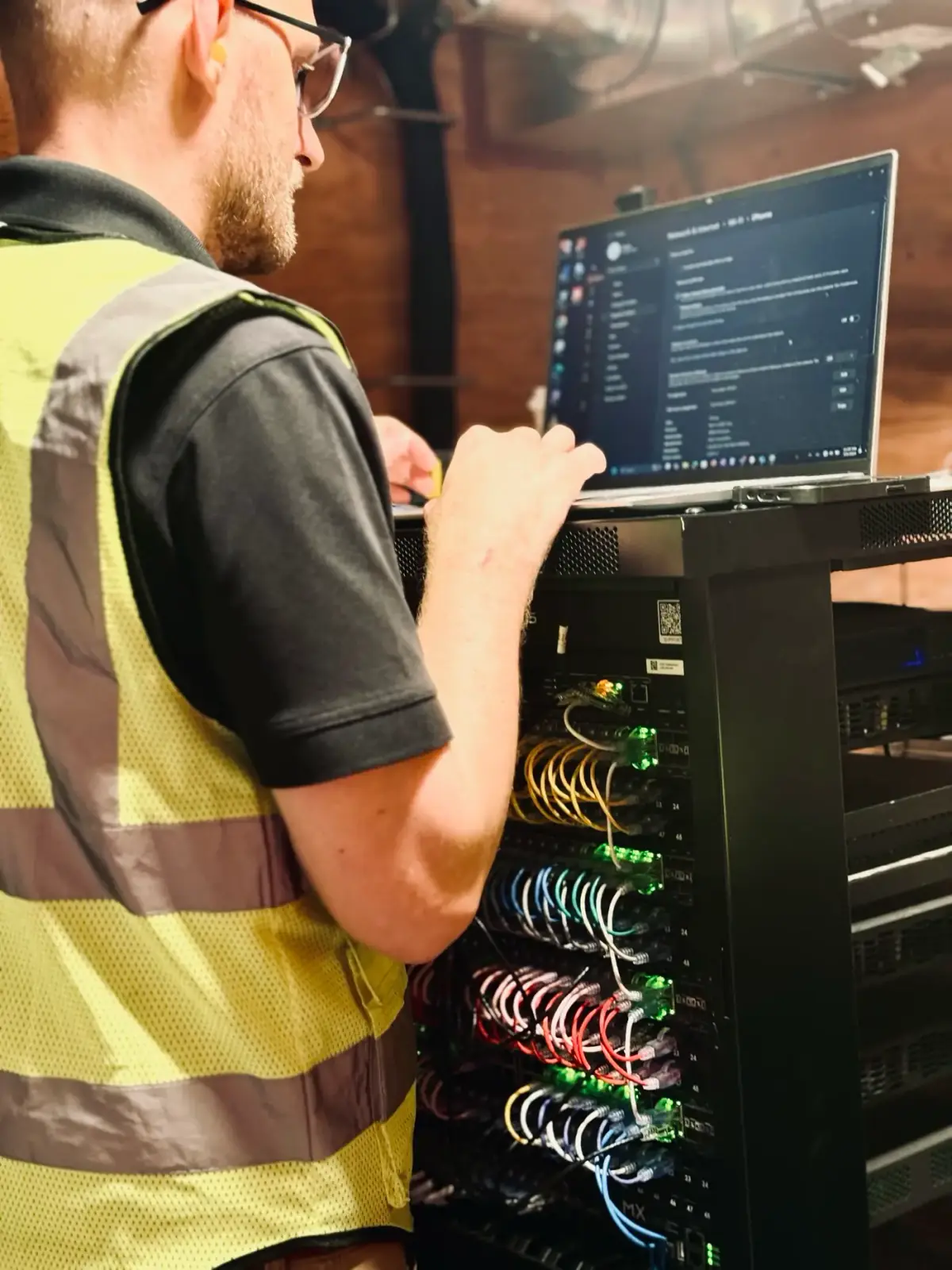
VMware, Hyper-V and Proxmox for servers, and Azure Virtual Desktop or Windows 365 so remote and hybrid staff get a secure desktop on any device.
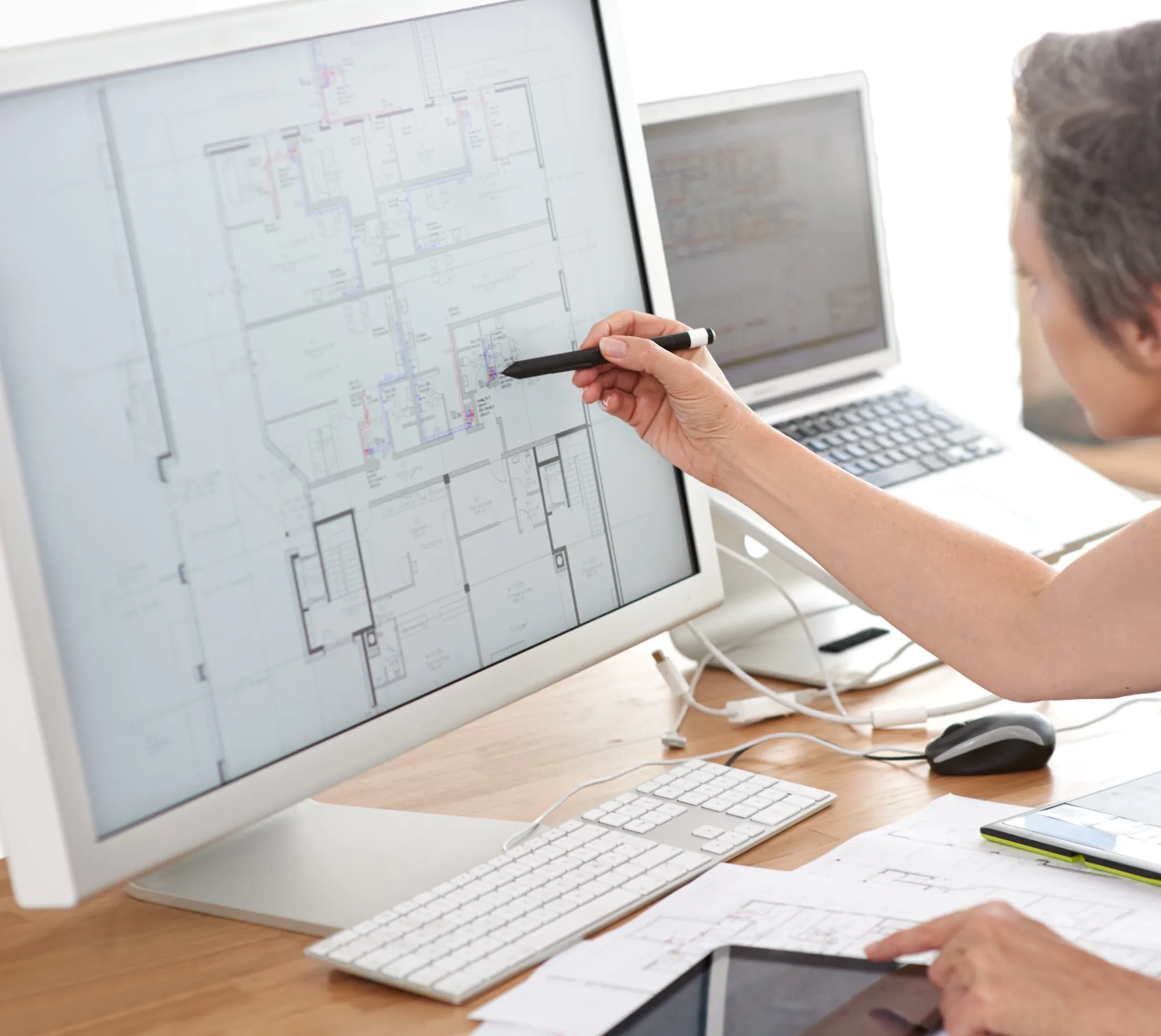
On-premises servers, file shares and applications moved to the cloud in planned phases, with rollback paths and cutovers scheduled around your operations.
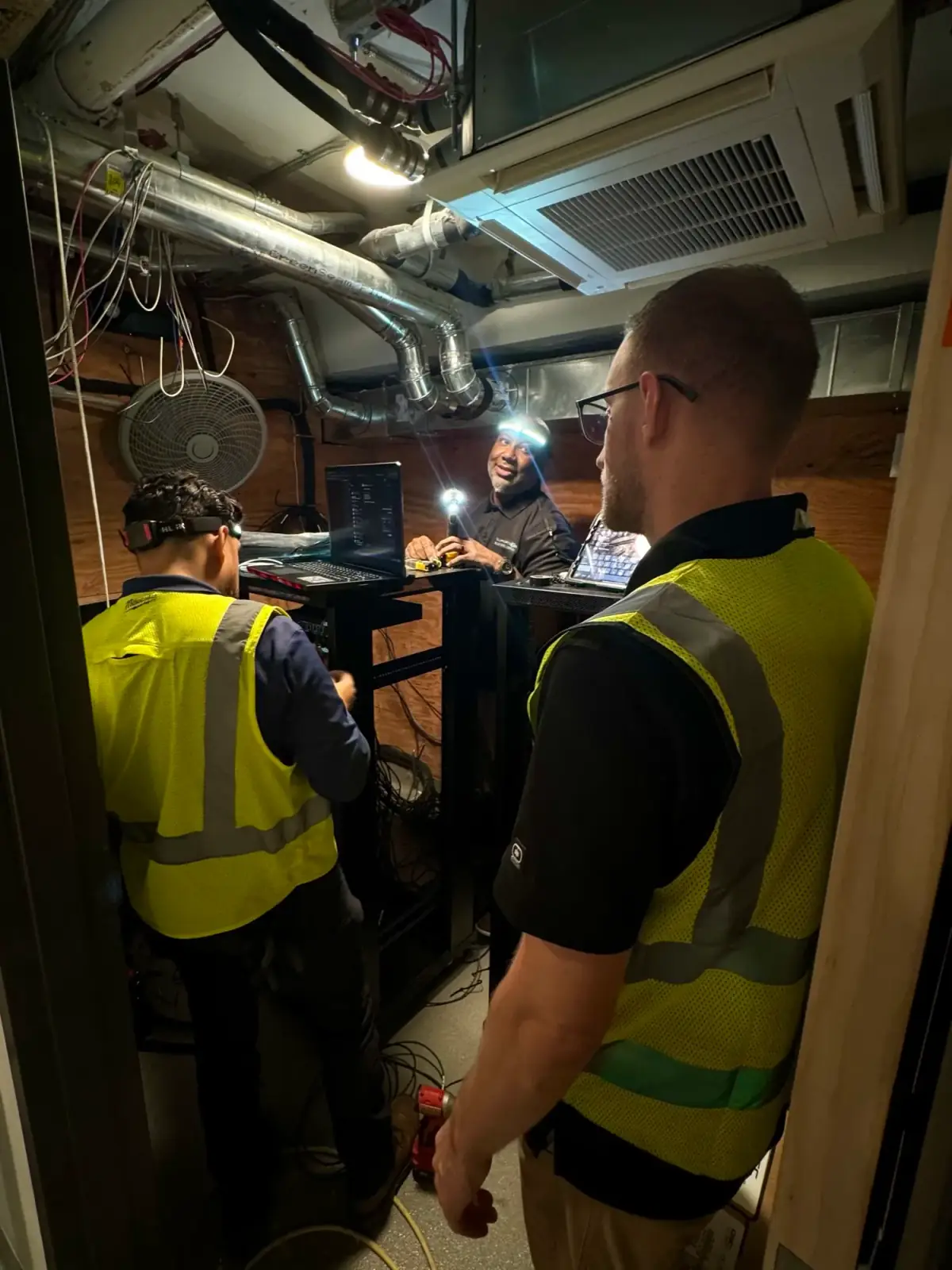
SD-WAN between sites, VPN and zero-trust access for remote staff, cloud telephony and monitoring that watches performance around the clock.
We work through these four points with you during the assessment, before anything is provisioned.
Each server and application assessed for cloud, hybrid or on-premises, so you are not paying to host something that belongs in a rack.
Identity, MFA, firewalls, encryption and DLP designed into the platform, with HIPAA, PCI-DSS and GDPR alignment where required.
How much data you can lose and how long you can be down, set per system and used to size backup and failover.
Right-sized instances, reserved capacity and budgets with alerts, so the monthly bill stays predictable as you grow.
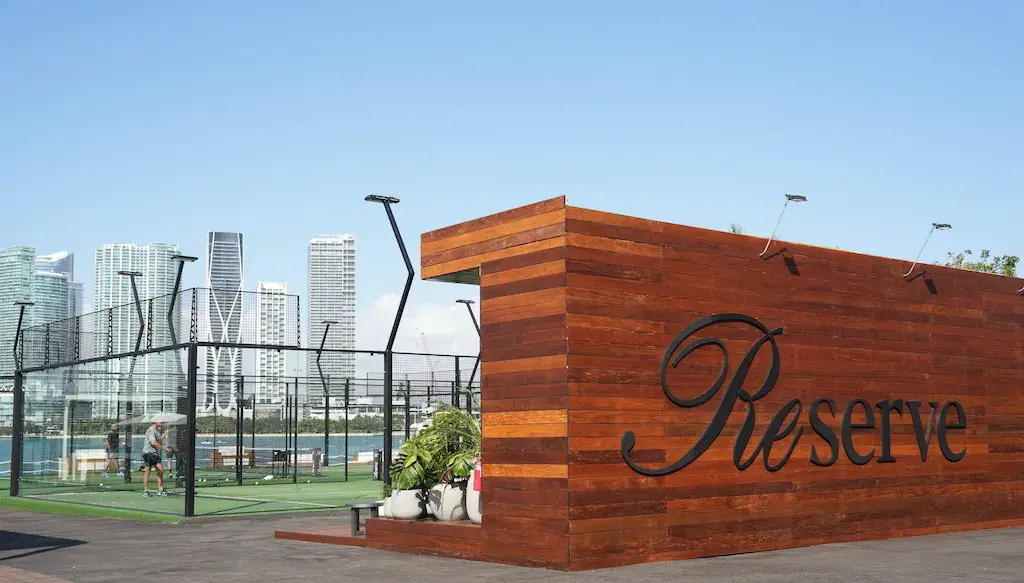
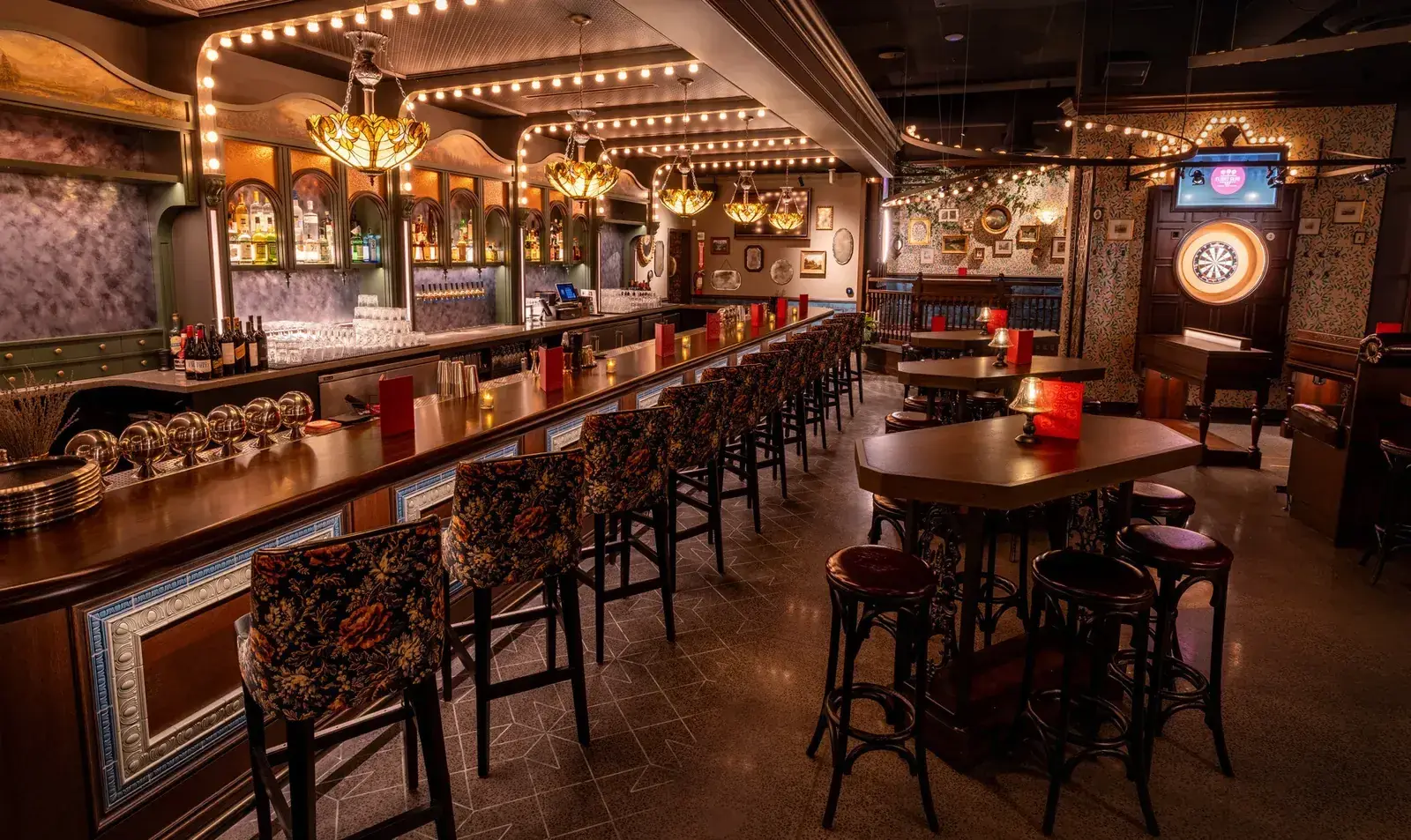
DIST built the network, Wi-Fi and IT infrastructure for the club from the ground up, connecting booking, cameras and back office to cloud services the owners can reach from anywhere, with one vendor behind all of it.
Plan your cloud moveCloud platforms designed for how each business runs and what it cannot afford to lose.
Hybrid Azure environments, virtual desktops and site-to-site networking across multiple offices.
Talk to us about your corporate projectOne server or a whole data center, the sequence is the same, and recovery is tested before we call it done.
We inventory servers, applications, data, users and connectivity, and record your recovery and compliance requirements.
A cloud, hybrid or on-premises decision for each workload, with a design, a migration sequence and a monthly cost estimate.
Identity, networking, security policies, backup and monitoring built in the cloud before any workload moves.
Workloads moved in phases with replication and test cutovers, scheduled around your operations, with rollback ready.
Performance, access and backups verified, then a full disaster recovery test so the plan is proven, not assumed.
24/7 monitoring, patching, backup checks and quarterly cost reviews, so the platform stays secure and right-sized.
DIST monitors your cloud, network and backups around the clock, keeps a help desk answering 24/7 and reviews costs every quarter so the platform stays secure and right-sized.
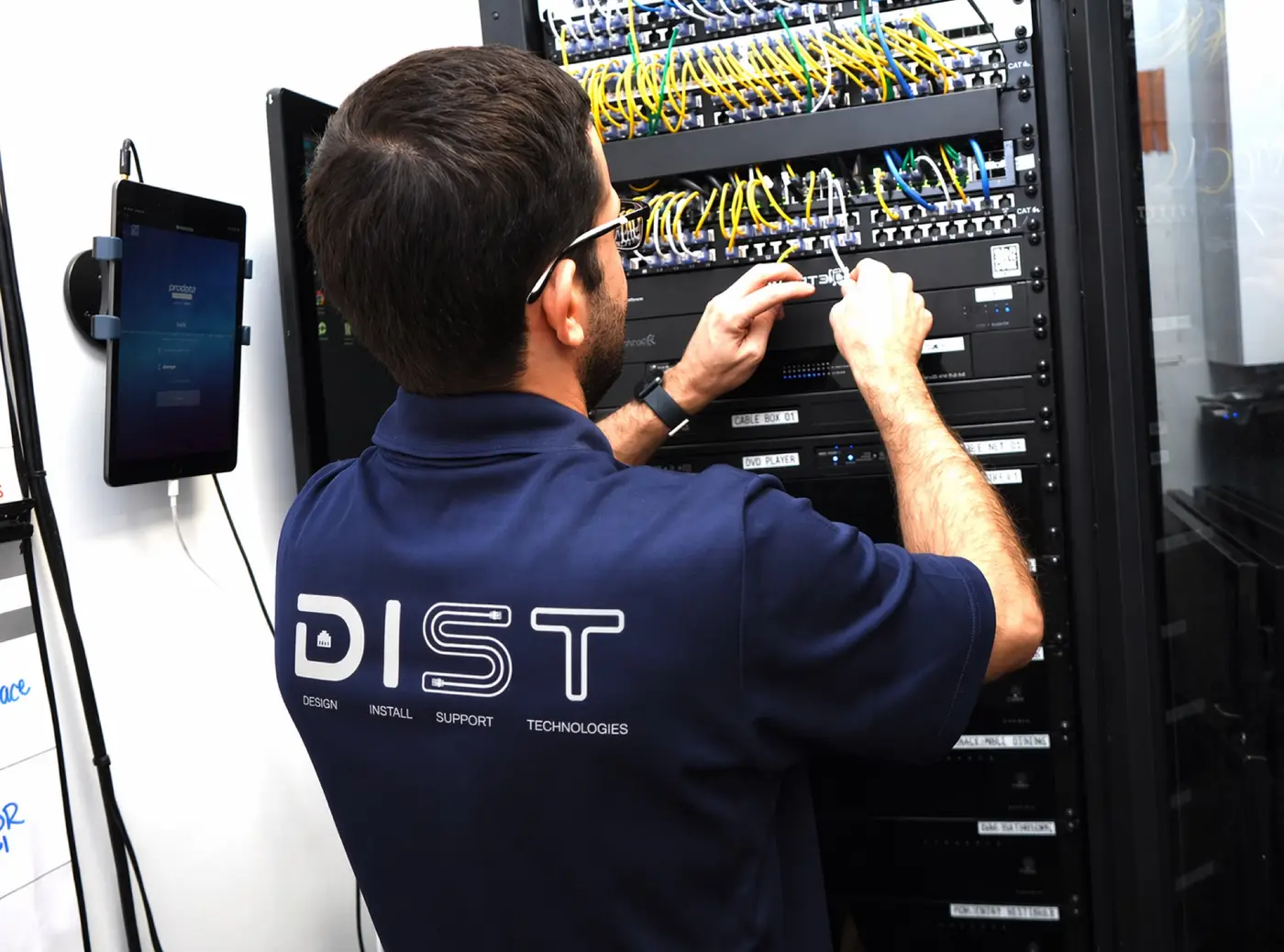
Not sure what should move to the cloud and what should stay? Send us a list of your servers and applications and we will map it.

Official IT provider: networking, structured cabling, access control and CCTV throughout the venue.
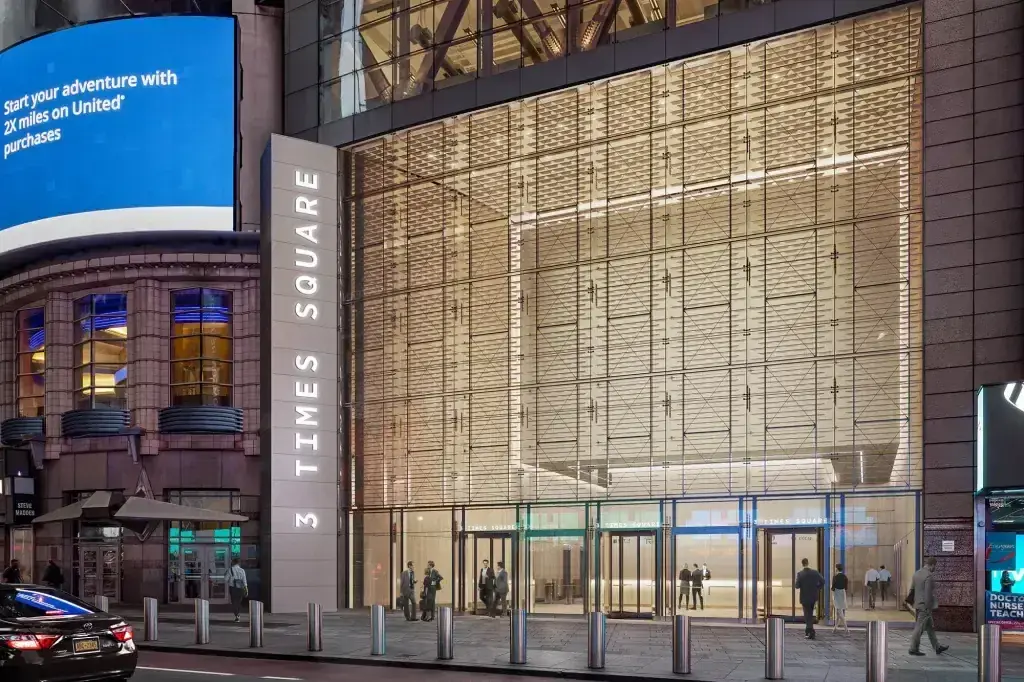
Conference room technology with AI cameras, projection and enterprise network infrastructure.
Comprehensive infrastructure for a premium food marketplace.
IT infrastructure and security systems for the sports facility.
AV, cameras, custom score tracking, control and network infrastructure.

Full-scale AV and IT including networking, access control and immersive sound.
“That massive 59-foot LED wall [DIST] put in has transformed how we run town halls and seminars.”
Ready to move to the cloud with a plan?
We design and manage on the platforms enterprise cloud runs on.

 Amazon Web ServicesVMwareHyper-VProxmox

Cost, platforms, backup and migration timelines, answered.
Usually not everything. Email, files, collaboration and most business applications belong in the cloud. Some workloads, such as on-site cameras, access control or latency-sensitive systems, are better kept local or hybrid. Our assessment makes that call per workload.
Cloud is billed monthly based on compute, storage and bandwidth. We model the cost before migration, right-size instances and use reserved capacity where it makes sense, then review the bill quarterly so it stays predictable.
Businesses on Microsoft 365 usually fit best on Azure because identity and licensing are already there. AWS and Google Cloud suit specific applications and development teams. We work across all three and recommend based on your software, staff and budget.
Backup is a copy of your data you can restore. Disaster recovery is the ability to keep running when a site or system is down, which needs replicated servers, a failover plan and regular tests. We size both to how much data you can lose and how long you can be down.
Email and files typically move within weeks. Servers and applications are migrated in phases over one to three months depending on how many there are and how they depend on each other. Each cutover is scheduled around your operations.
Yes. Virtual desktops, VPN or zero-trust access and MFA give remote and hybrid staff secure access to the same systems as the office, on company or personal devices.
The platforms are, and we configure identity, encryption, logging, retention and DLP to align with your framework, and provide the documentation your auditors require.
Yes. Our help desk answers 24/7, and we monitor health, patch systems, verify backups and review costs under a flat monthly agreement.
Nationwide. Cloud work is delivered remotely, with field engineers on site for networks, racks and devices wherever you are in the United States.
Tell us the systems you run, where they live and how long you could be without them. A DIST engineer will assess your environment, then come back with an architecture, a timeline and a monthly cost model.